
May 04 2026 13:30
Pennsylvania is a choice no‑fault state, which means the decisions you make—especially in the first hour after a crash—can directly affect how smoothly your claim goes. Taking the right steps at...
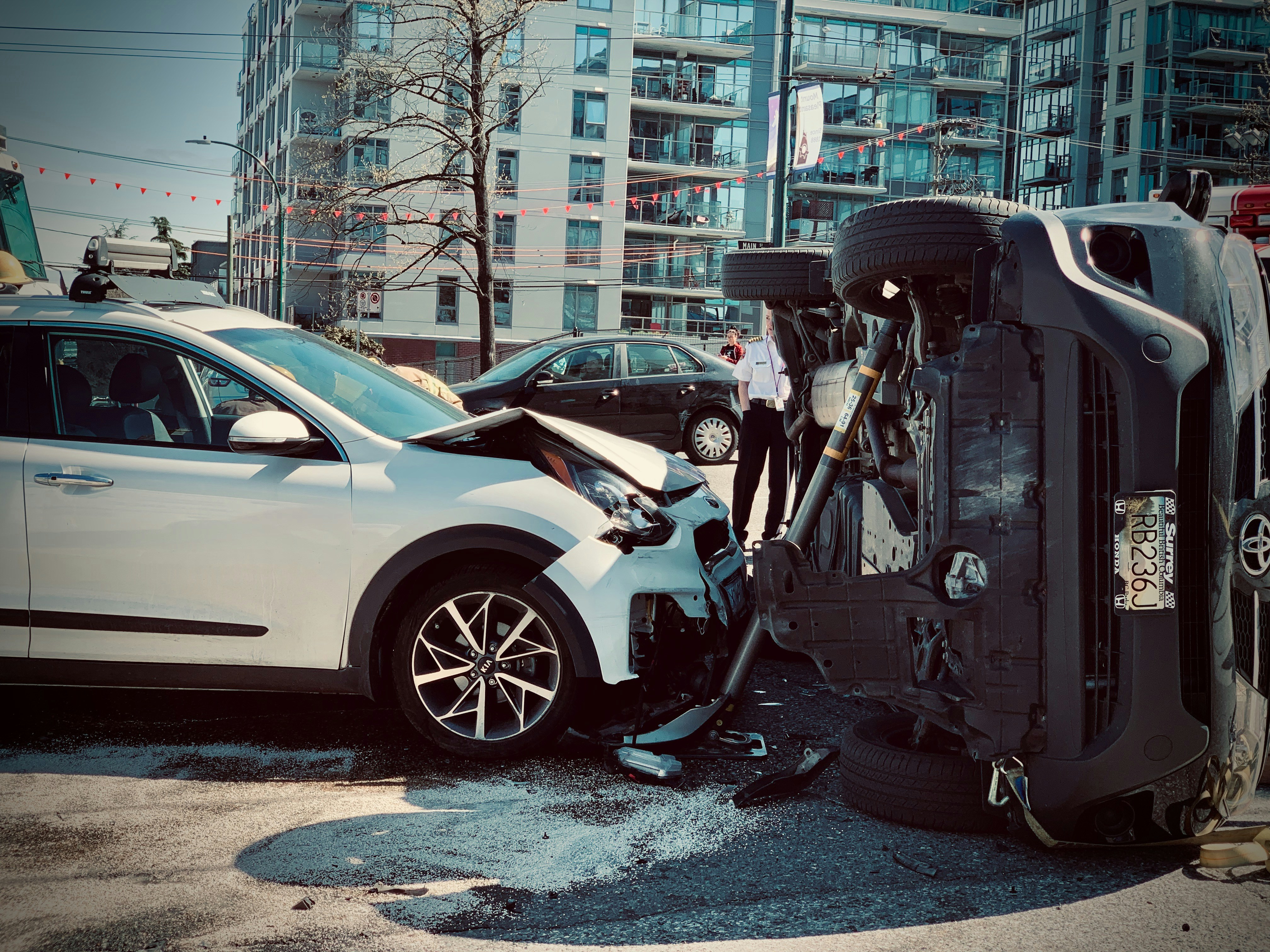
Pennsylvania is a choice no‑fault state, which means the decisions you make—especially in the first hour after a crash—can directly affect how smoothly your claim goes. Taking the right steps at the scene protects your safety, preserves evidence, and strengthens your position if injuries or disputes arise. Working with a local independent agent like Abraham Hobson Insurance makes the entire process easier, faster, and far less stressful.
Whether you drive daily through Wilkes‑Barre, Mountain Top, Kingston, or anywhere else in NEPA, here’s a detailed guide on what to do after a car accident in Pennsylvania.
Make Safety Your First Priority
Immediately after a collision, take a moment to assess the situation. Check yourself and your passengers for injuries before moving. If it’s safe, pull your vehicle to the shoulder or another secure location to avoid blocking traffic—this is especially important on busy NEPA roads like Route 309, the Cross Valley, or I‑81. Turn on your hazard lights to alert other drivers.
Only exit your vehicle when you can do so safely. In low‑visibility conditions, such as rain, snow, or fog (which are all common in northeastern Pennsylvania), consider staying inside your car until emergency responders arrive.
Call the Police—Even for Minor Accidents
In Pennsylvania, you’re required to report any accident involving injury, death, or significant property damage. Even if the crash seems minor, it’s still a good idea to contact local law enforcement. Having a police report provides objective documentation that your insurance company may require, especially if injuries appear later or fault is disputed.
For most Wilkes‑Barre accidents, officers from the city police or Pennsylvania State Police will respond, depending on where the crash occurred.
Document Everything at the Scene
The more information you gather, the easier the claims process will be. If you can safely move around the scene, take the following steps:
- Photos: Capture wide shots of the entire scene, close‑ups of damage, skid marks, traffic signs, and weather conditions.
- Driver information: Exchange names, phone numbers, insurance details, license plate numbers, and vehicle descriptions.
- Witness statements: If anyone saw the crash, ask for their contact information. Witnesses can help resolve disputed claims.
- Notes: Write down what happened while it’s fresh in your mind.
This documentation is especially important on snowy or icy NEPA roads, where conditions can change quickly and make it harder to prove what happened after the fact.
Seek Medical Attention Promptly
Even if you feel fine, it’s wise to get checked out within 24 hours. Some injuries—like concussions, whiplash, or soft‑tissue damage—may not show symptoms immediately. Medical records also help support your claim if you need extended treatment later.
Understand Pennsylvania’s Choice No‑Fault System
Pennsylvania is one of the few states offering a choice no‑fault
option. When you purchase auto insurance, you select either “limited tort” or “full tort,” and this choice affects your rights after an accident.
Here’s what that means:
- No‑fault benefits: Regardless of fault, your own policy typically covers your medical bills under Personal Injury Protection (PIP).
- Limited tort: Lower premiums but limited rights to sue for pain and suffering unless injuries are considered “serious.”
- Full tort: Higher premiums but full rights to pursue pain‑and‑suffering claims.
How your claim proceeds—and how smoothly—depends heavily on which option you selected when you set up your policy. A local independent agent can help you understand exactly how your coverage applies so there are no surprises during the claim.
What to Report—and When
After ensuring safety and speaking with the police, your next step is to notify your insurance agent. Reporting promptly helps keep your claim on track and prevents delays.
Here’s what to share when you call:
- Date, time, and location of the accident
- A description of what happened
- Photos and documentation you gathered
- Information about injuries, if any
- The police report number (if available)
For policy details, coverage questions, or next steps, you can always reach out directly to Abraham Hobson Insurance in Wilkes‑Barre. Starting a claim through a trusted local agent is often faster—and far less confusing—than going through an 800 number.
You can also review your coverage anytime on our Auto Insurance
page.
Uninsured Motorist Coverage: Why It Matters in Pennsylvania
If the other driver doesn’t have insurance—or doesn’t have enough—your uninsured/underinsured motorist (UM/UIM) coverage may protect you.
UM/UIM coverage can help pay for:
- Medical bills
- Lost wages
- Vehicle damage (depending on your policy)
- Pain and suffering, in some cases
Unfortunately, uninsured drivers are more common than many people think, even in northeastern Pennsylvania. UM/UIM is one of the most important protections on your auto policy—yet it’s often misunderstood or underestimated. This is another area where having an independent agent makes a big difference.
How a Local Independent Agent Helps After an Accident
While you can file a claim directly with most carriers, working with a local independent agent like Abraham Hobson Insurance offers real advantages:
- We know the area: From Wilkes‑Barre to Dallas and down to the Poconos, we understand local roads, weather patterns, and traffic conditions.
- Personal guidance: We can walk you through each step of the claims process—no call center, no waiting on hold.
- Carrier options: Because we’re independent, we work with multiple insurers. That means we can help compare processes, timelines, and coverage details when it matters most.
- Support in your language: Our team includes Spanish‑speaking staff for bilingual assistance when needed.
Having a familiar team on your side—one that knows you, your family, and your driving habits—makes an already stressful situation easier to navigate. And because we’re right here in Wilkes‑Barre, you can call, text, or stop in anytime.
FAQ
Do I need to file a police report for every accident?
You must report accidents with injury, death, or major property damage. Even for minor crashes, having a police report strengthens your claim and helps avoid disagreements later.
Will my insurance rates increase after a claim?
It depends on fault, severity, and your carrier’s rating rules. Your agent can help you understand how your specific policy handles surcharges.
What if the other driver leaves the scene?
This becomes a hit‑and‑run. Contact police immediately and document everything you can. If you have uninsured motorist coverage, it may apply.
Should I get my car inspected after a small fender‑bender?
Yes. Even small impacts can cause hidden damage. A quick inspection helps protect your claim and your safety.
When should I call my insurance agent?
As soon as possible. Quick reporting gives you more options, faster processing, and fewer complications.
If you’ve recently been in an accident—or you just want to be prepared—visit our Contact page or call/text Abe at (570) 208‑5640 to review your current auto coverage before you ever need to use it.
Our Services
Chris Short is one of the owners of JMR Plumbing, a Columbus, Ohio plumbing company built around clear communication, dependable workmanship, and practical solutions. Chris stays closely involved in how jobs are scoped and completed, helping ensure homeowners get straightforward answers and the right fix for their situation.
At JMR Plumbing, the team focuses on residential plumbing repairs, installations, and remodel support throughout the Columbus area. Their approach is simple: listen first, explain options clearly, and complete the work cleanly and correctly—so customers feel confident from the first call to the final test.
